Qualification
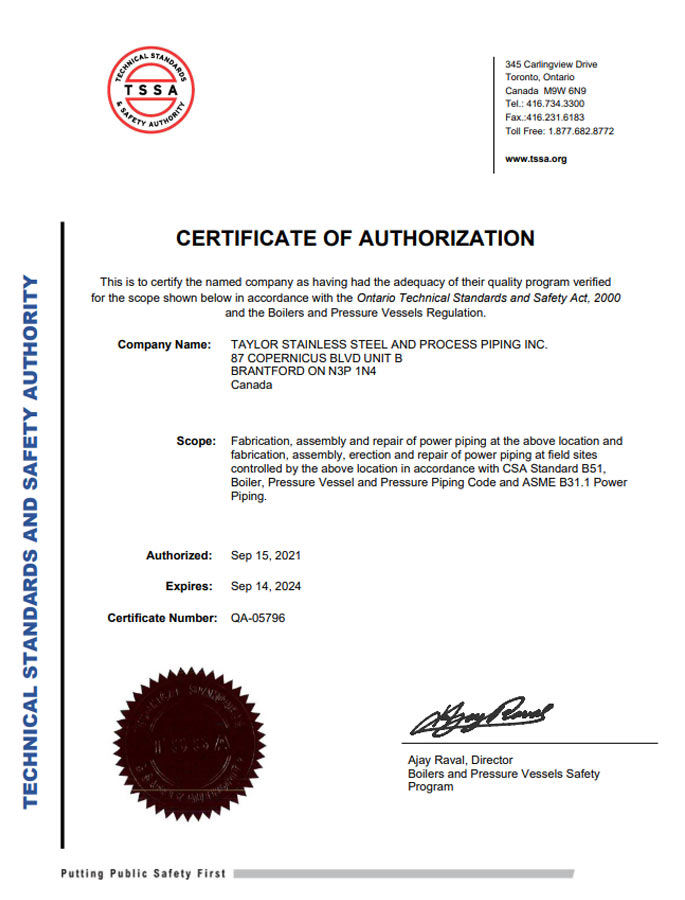
- Orbital Welding
- Process tube welding
- Pressure Vessels
- Tank Modifications
- Power piping (Pressure piping)
- On-site certified weld inspector
- Fully Insured for all on-site and in-housework performed






Passivation
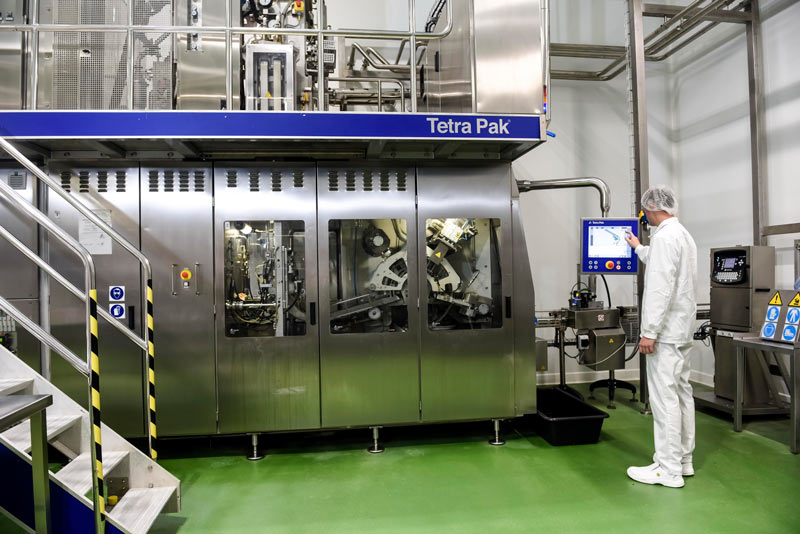
In the food and drug industries, stainless steel pieces are passivated to meet the stringent standards of cleanliness and safety. Passivation removes contaminants and impurities from the surface of the stainless steel, ensuring it is free from any potential sources of contamination. This process creates a highly sanitary and inert surface that is resistant to the growth of bacteria, making it ideal for use in equipment and components that come into direct contact with food or pharmaceutical products. Passivated stainless steel helps maintain product integrity and upholds the strict regulatory requirements of these industries.
Boroscoping
Weld inspection is another important application of boroscoping in the field of process piping. When it comes to welded joints, the quality and integrity of the welds are critical for ensuring the overall strength and reliability of the piping system. Boroscopes play a crucial role in weld inspection by allowing inspectors to visually assess the welds from the inside. This is particularly useful for inspecting complex or hard-to-reach welds that cannot be easily accessed from the outside. By inserting a borescope into the pipe, inspectors can examine the internal surface of the welds, looking for any defects such as cracks, porosity, incomplete fusion, or inadequate penetration. The real-time visualization provided by the borescope allows for accurate identification and evaluation of any welding flaws, ensuring compliance with industry standards and specifications. Weld inspection through boroscoping helps in maintaining the structural integrity of process piping, preventing potential failures and ensuring the safety of the system and its surrounding environment.
Non destructive testing (NDT)
Non-destructive testing (NDT) is a crucial technique used across various industries to assess the integrity, quality, and safety of materials, components, and structures without causing damage or altering their functionality. NDT methods employ a range of inspection techniques, such as ultrasonic testing, radiography, magnetic particle testing, liquid penetrant testing, eddy current testing, and visual inspection. These methods enable inspectors to detect defects, flaws, cracks, corrosion, or other abnormalities that could compromise the performance or reliability of the inspected object. By employing NDT, engineers and technicians can ensure compliance with industry standards, identify potential failures or hazards, and make informed decisions regarding maintenance, repair, or replacement.
Process Engineering
Process engineering is a multidisciplinary field that focuses on the design, optimization, and improvement of industrial processes and operations. It involves applying scientific and engineering principles to develop efficient and cost-effective methods for transforming raw materials into desired products. Process engineers play a crucial role in industries such as chemical, pharmaceutical, oil and gas, food and beverage, and many others. They analyze existing processes, identify bottlenecks and inefficiencies, and develop innovative solutions to enhance productivity, quality, and safety. Process engineers utilize their knowledge of chemical reactions, thermodynamics, fluid dynamics, and control systems to design and implement process modifications, equipment upgrades, and automation strategies. They also collaborate with other professionals to ensure regulatory compliance, environmental sustainability, and the successful integration of new technologies. Process engineering is essential for optimizing resource utilization, minimizing waste, reducing energy consumption, and improving overall operational performance in industrial settings.